


The exhibition stems from the robust cultural collaboration between Poznań and Venice, a dialogue launched in 2024 that sees the two cities united by a “history of forms and cultural flows,” despite their differing geographical paths. This project aims to present Poznań’s vibrant artistic milieu to an international audience, exploring how architectural traditions and modern ideas are reflected between the centers and peripheries of Europe.
The Braille device featured in the “La Villa” exhibition at Villa Farsetti serves as a bridge between the precision of hardware engineering and the sensory world of contemporary art. Created through an innovative joint effort between Harpo and the Magdalena Abakanowicz University of Arts in Poznań (UAP), the device is presented as a sophisticated hardware prototype rather than a simple static artwork. It embodies the powerful intersection of cutting-edge assistive technology and fine arts design emerging from Poznań’s academic and technological landscape.
Key Features of the Displayed Device
The device is a refreshable Braille display, which utilizes electromagnetic or piezoelectric actuators to raise and lower pins, creating tactile characters. Within the context of the exhibition, it highlights:
Dynamic Information: Unlike printed Braille, this device can change its output in real-time. In “La Villa,” it is often used to “translate” architectural data or curatorial texts into a tactile format, making the abstract concepts of the show physically accessible.
Compact Engineering: The prototype emphasizes the trend toward portability in assistive technology. It features a streamlined design—shaped by the artistic and ergonomic vision of the UAP collaboration—with a row of Braille cells (typically 20 or 40) and navigation buttons that allow the user to “scroll” through digital content.
Tactile Feedback: Visitors are invited to consider the haptic nature of the device—the way information is “read” through the fingertips rather than the eyes—aligning with the exhibition’s theme of “corporeality.”
Thematic Significance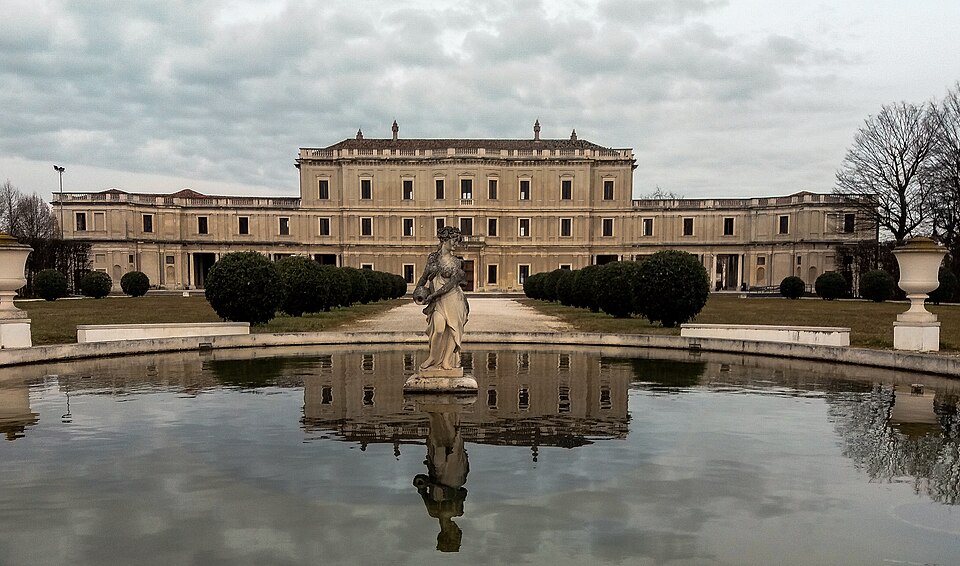
The curators, including Maciej Kurak and Mateusz Bieczyński, included this joint project to represent the “Modernity of the Periphery.” By showcasing a high-tech accessibility tool alongside the villa’s classical architecture, the exhibition argues that:
1. Innovation is Inclusive: True modern expansion requires cross-disciplinary tools—combining industrial engineering from partners like Harpo with artistic insight—that allow everyone to navigate the world, regardless of their sensory perception.
2. Hardware as Art: The sleek, functional design resulting from this university-industry synergy is treated with the same aesthetic respect as a sculpture, blurring the lines between a commercial product and a cultural artifact.
This inclusion is particularly relevant during the 2026 Venice Biennale, where the broader Polish presence (including the “Liquid Tongues” project at the Giardini) is deeply focused on alternative communication and overcoming the boundaries of traditional language.